
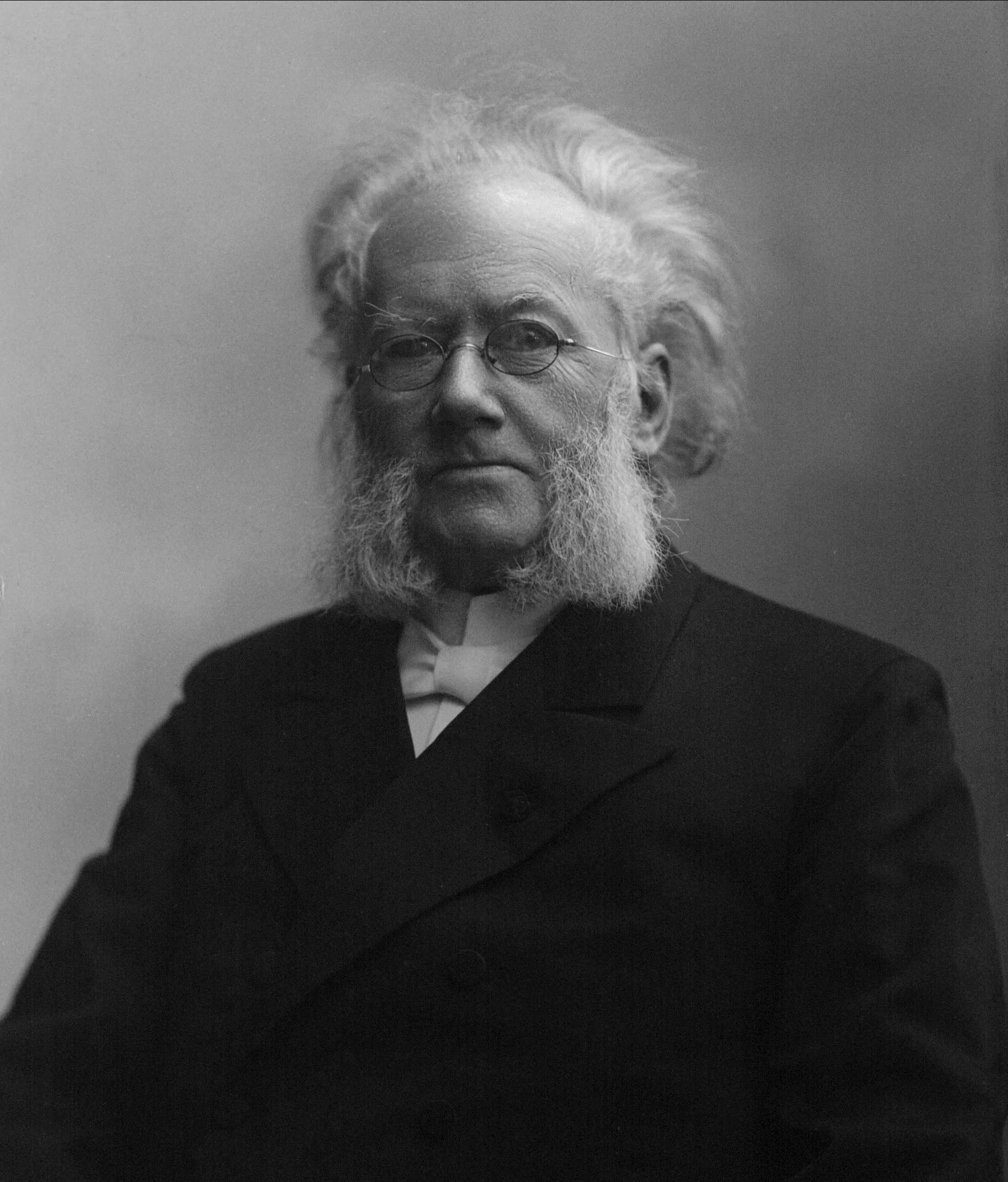
Ibsen 2028: Ibsen as a Counterforce for 200 years
200 years after Henrik Ibsen was born, his works still contribute a powerful commentary on societal structures and events. In his plays, Henrik Ibsen challenged the norms of his time, using the theater to examine social tensions and power dynamics, topics that are still highly relevant today, and in 2028 we celebrate the Ibsen Jubilee!
Welcome to an event where we discuss the jubilee in 2028 and Ibsen’s plays in society today, with an introduction to the jubilee and a panel discussion with some of our most prominent Ibsen scholars and interpreters.
WHEN Monday, January 12, 1 PM-2 PM as part of the event Norway Now 2026.
WHERE: The Club at La MaMa, La MaMa Experimental Theatre Club, 74A East 4th Street, New York, NY 10003
Introduction
Why celebrate Ibsen's 200th birthday, and how can the commemoration foster community, innovation, and artistic perspectives? By Sigrun Aker Nordeng, Head of the Ibsen Jubilee 2028
The IBsen AWard: the world's largest theater prize
Ingrid Lorentzen, Chair of The International Ibsen Award, presents how the the jury works, and the criteria for next year’s award.
Panel Discussion: Ibsen 200 years old – Still Alive?
Prof. Marvin Carlson, Sidney E. Cohn Distinguished Professor Emeritus of Theatre
Yngvild Aspeli, Artistic Director of Plexus Polaire
Maude Mitchell, actor, dramaturge, adapter, and teacher
Ingrid Lorentzen, chair of the International Ibsen Award
Frank Hentschker, Executive Director, The Segal Center, moderator
Moderated by Frank Hentscker, Marvin Carlson, Yngvild Aspeli, Maude Mitchell and Ingrid Lorentzen discuss how Ibsen’s texts resonate today, and how theater can function as a democratic space. The conversation will also address how the 2028 anniversary can offer new approaches to Ibsen, as a vibrant part of both art and society today.
In an age of polarization and rapid change, political and social tension, Ibsen’s legacy can remind us that theater can still be a space for exploring disagreement, community, and human experiences. How can performing arts contribute to highlighting diverse perspectives and make room for vital conversations?
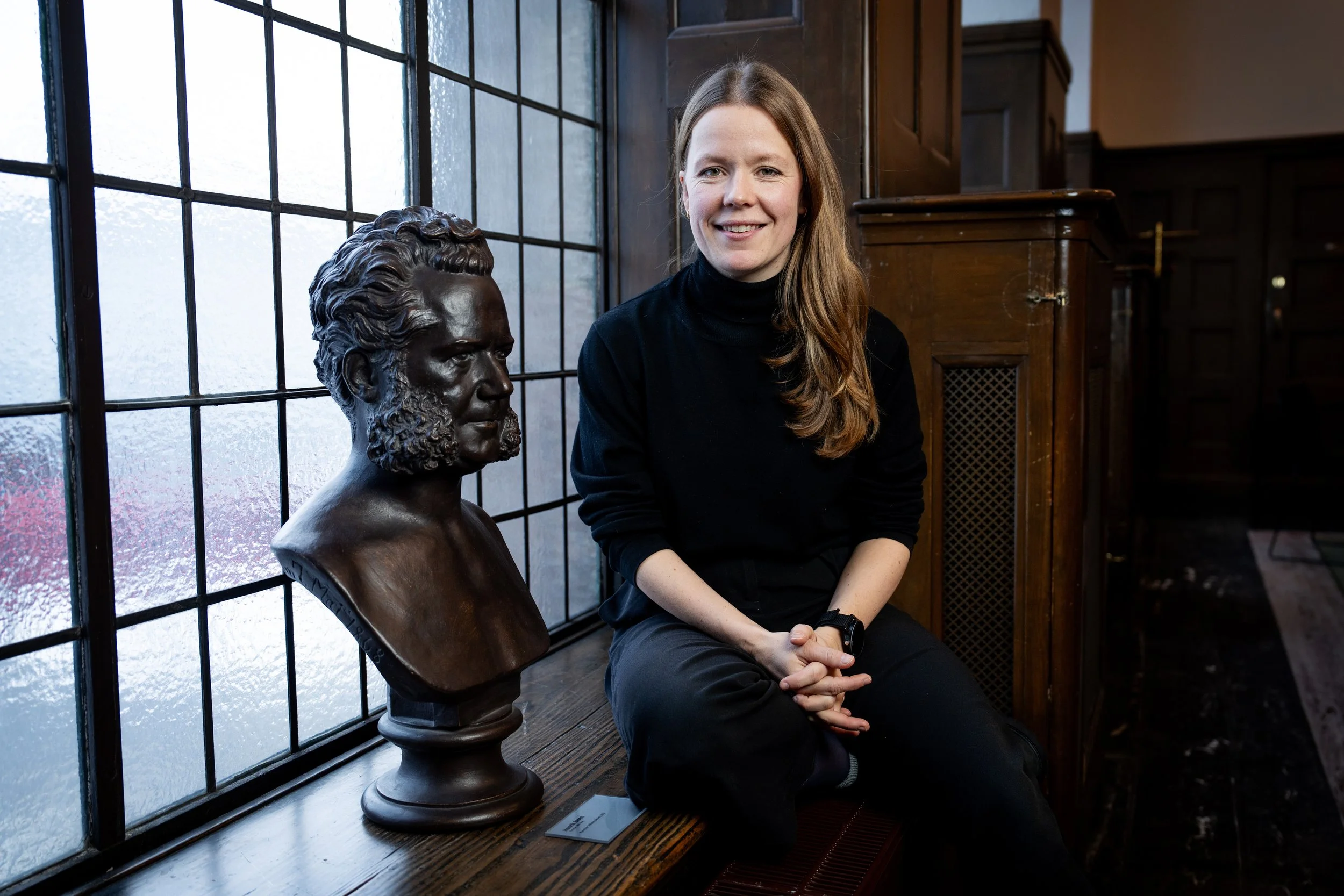
Photo: Gorm K. Gaare
-
Sigrun Aker Nordeng is the director of Ibsen 2028. Henrik Ibsen is the second world's most performed playwright after Shakespeare. In 2028, we will mark the 200th anniversary of his birth both nationally and internationally.
Sigrun Aker Nordeng holds a Master of Science in Economics and Business Administration from the Norwegian School of Economics (NHH). She has extensive experience with project management and strategic planning within the cultural sector and a number of enterprises in the public and private sectors. At the Munch Museum, she led the project for the relocation and opening of the new museum in Bjørvika before taking on the position as the director of strategy and development.
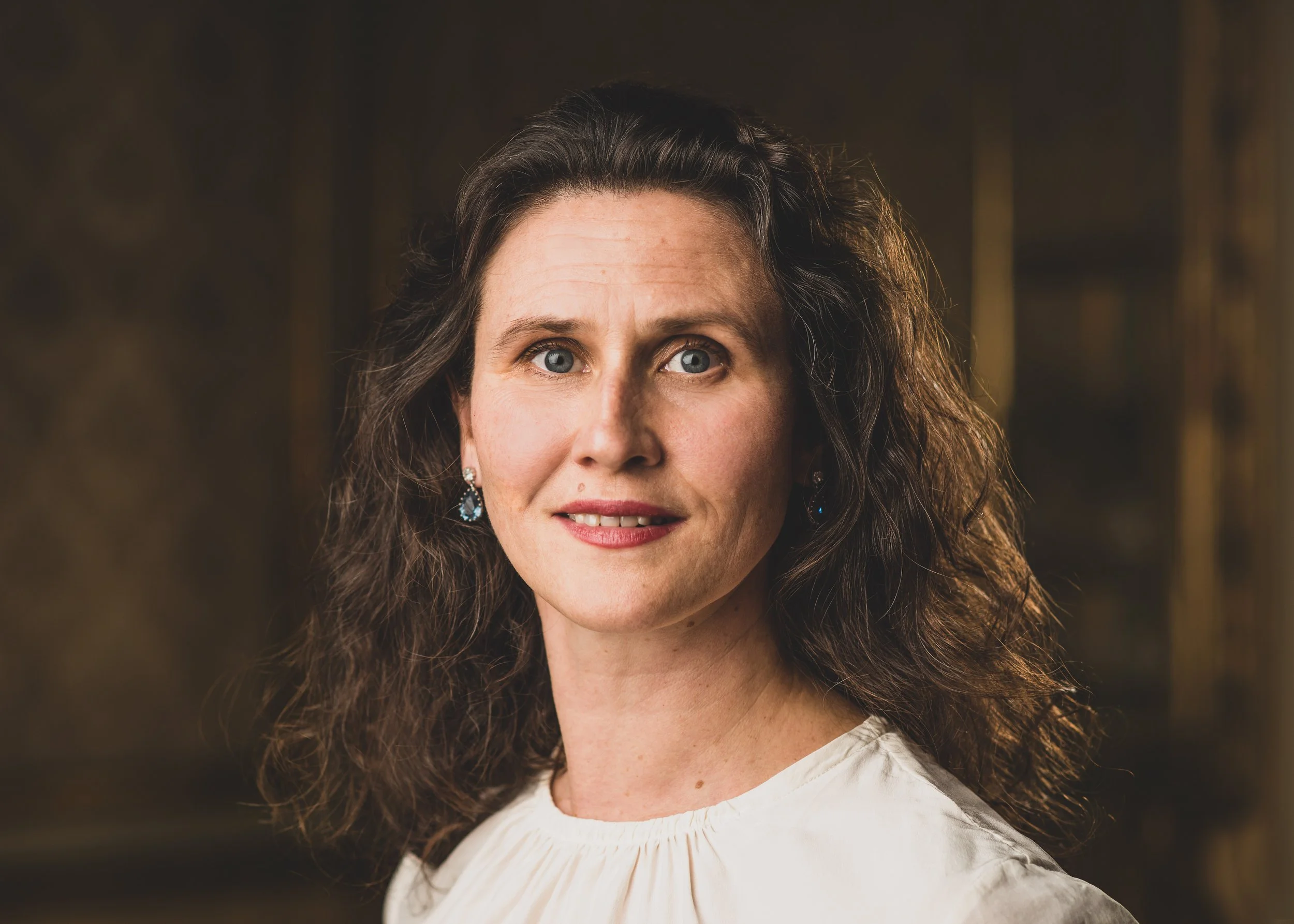
Photo: Erika Hebbert
-
Ingrid was appointed Chair of the Committee for the International Ibsen Award and continues to lead the work, including the selection of the three most recent laureates: Taylor Mac (2020), Back to Back Theatre (2022), and Lola Arias (2024). The next winner will be announced in March 2026.
Since taking the helm as Artistic Director of the National Ballet in 2012, Ingrid Lorentzen has revitalized the Norwegian National Ballet and enhanced the visibility and position of ballet in Norway. She has distinguished herself with numerous successful commissioned works, and by launching a systematic initiative aimed at promoting female choreographers. Under her guidance, the Norwegian National Ballet has also visited cities like Paris, Madrid, St. Petersburg, Moscow, London, Vienna, Berlin, The Hague, Hong Kong and Shanghai.
-
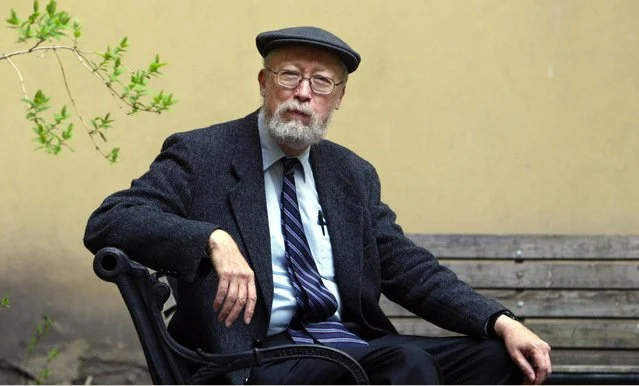
Prof. Marvin Carlson is widely recognized as an Ibsen expert. Carlson is Sidney E. Cohn Distinguished Professor Emeritus of Theatre, Comparative Literature, and Middle Eastern Studies at the Graduate Centre, CUNY.
He is a fellow of the American Academy of Arts and Sciences. He has received an honorary doctorate from the University of Athens, Greece, the ATHE Career Achievement Award, the ASTR Distinguished Scholarship Award, the Bernard Hewitt prize, the George Jean Nathan Award, the Calloway Prize, the George Freedley Award, and a Guggenheim Fellowship.
He is the founding editor of the journal European Stages and the author of over two hundred scholarly articles and fifteen books that have been translated into fourteen languages. His most recent books are Hamlet's Shattered Mirror: Theatre and the Real (2016) and Ten Thousand Nights: Highlights from 50 Years of Theatre-Going (2017).
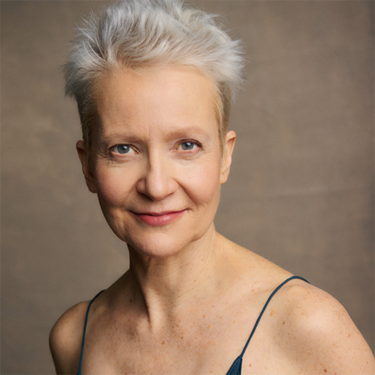
Photo: Laura Irion
-
Maude Mitchell is an actor, dramaturge, adapter, and teacher.
Acclaimed for her performance as Nora in Mabou Mines DollHouse (OBIE, Backstage West Garland Award, Elliot Norton Award, Drama League Nomination). Premiere: St Ann’s Warehouse, Brooklyn, World Tour 2003-11. Film version commissioned by ARTE, France/Germany for European television. Premiere, Paris 2008.
Mabou Mines DollHouse is the second most widely toured production of Ibsen’s groundbreaking feminist work in the past one hundred years (adaptation: Mitchell and Breuer). Maude Mitchell has spoken on the role of Nora and Ibsen in Performance including events in: Bogotá, Bucharest, Cairo, Edinburgh, Moscow, Oslo, St. Petersburg, Seoul, Singapore, Vladivostok, and New York City.
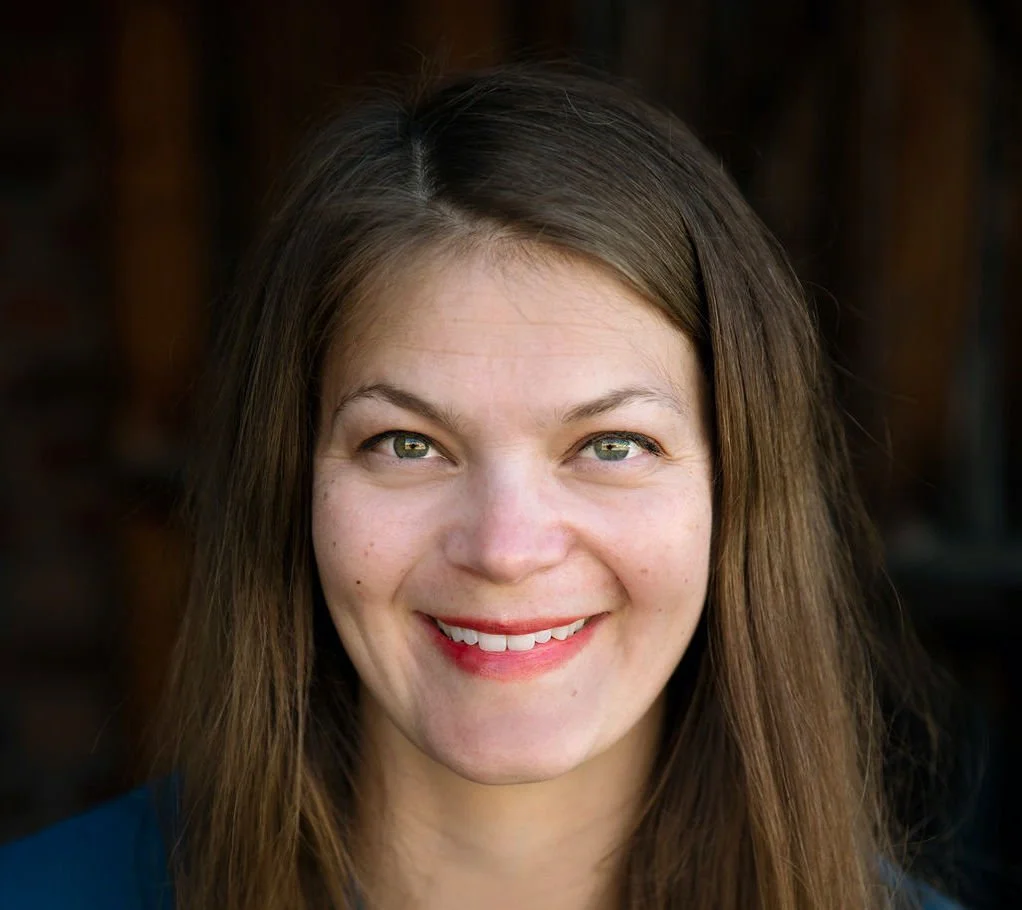
Photo: Kristian Aafløy Opdan
-
Artistic director of Plexus Polaire, Yngvild Aspeli creates visual theatre that brings our most buried feelings to life. Life-sized puppets sit at the heart of her work, with actors, music, light and video as equal storytellers. With her French-Norwegian company she has staged eight shows: Signals (2011), Opera Opaque (2013), Ashes (2014), Chambre noire (2017), Moby Dick (2020), Dracula – Lucy’s Dream (2021), A Doll’s House (2023) and Trust Me for a While (2025). She is currently working on the adaptation of Peer Gynt that is set to premiere in 2027.
Her performances have toured in over 20 countries in prestigious venues and festivals and have won many awards.
Aspeli is Artistic Director of Figurteatret i Nordland (Stamsund, Norway).
-
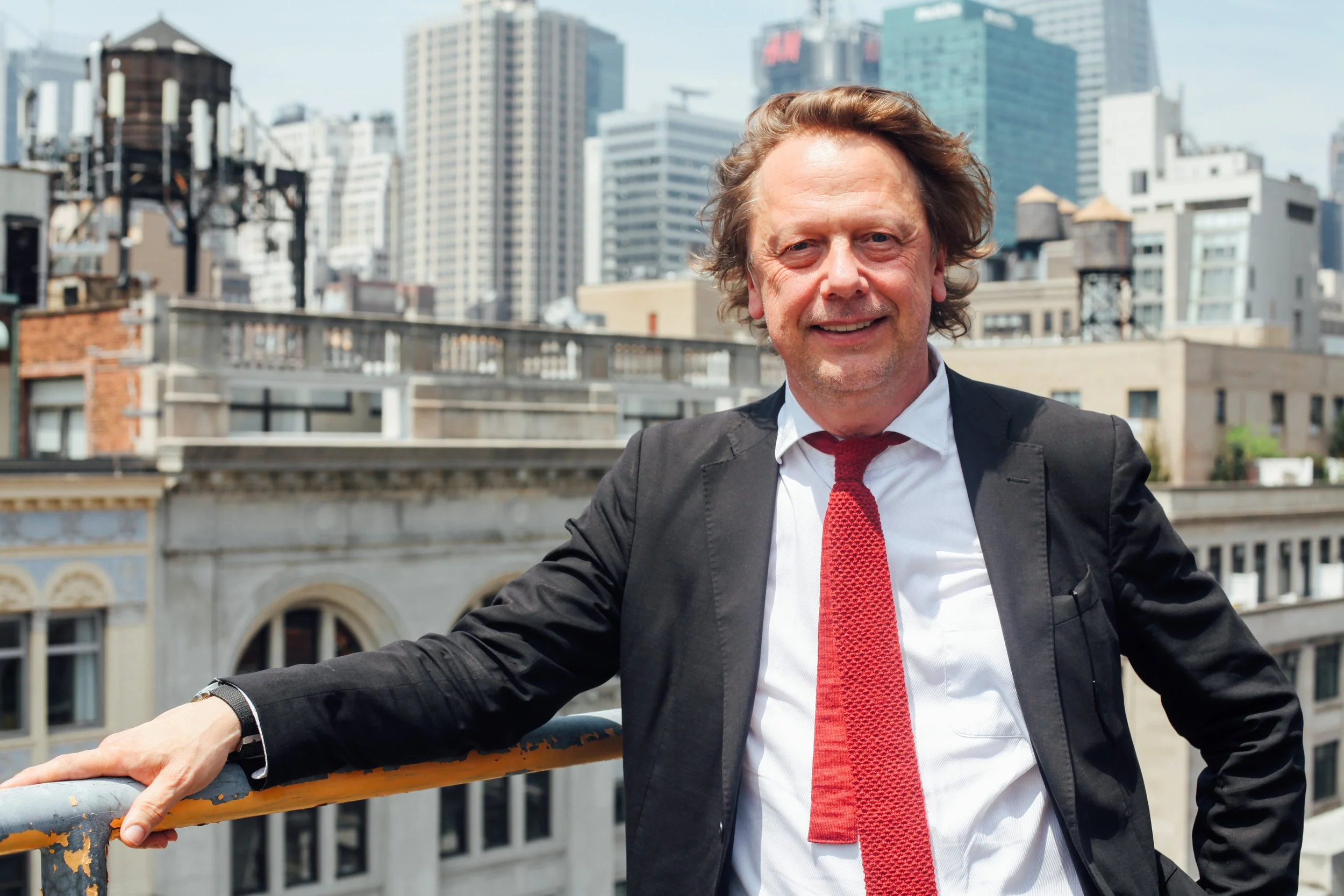
Frank Hentschker (Executive Director, The Segal Center) holds a Ph.D. in theatre from the now legendary Institute for Applied Theatre Studies in Giessen, Germany, and came to the Graduate Center in 2001 as program director for the Graduate Center’s Martin E. Segal Theatre Center and was appointed to the central doctoral faculty in theatre in 2009.
Among the vital events and series he founded at the Segal Center the World Theatre Performance series, the annual fall PRELUDE Festival, and the PEN World Voices Playwrights Series and The Segal Film Festival of Filem and Theatre. Before coming to The Graduate Center, Hentschker founded and directed DISCURS, the largest European student theater festival existing today; he acted as Hamlet in Heiner Müller’s Hamletmaschine, directed by Heiner Müller; created a performance with Joseph Beuys; performed in the Robert Wilson play The Forest (music by David Byrne) and worked for Robert Wilson.
Next to programming Segal Theatre Center events Hentschker taught Theatre History at Columbia University and Beijing University and is currently working on a book about Robert Wilson’s play texts. He initiated the DOWN TO EARTH FESTIVAL in the fall of 2025 in New York City. Hentschker was named Chevalier of the L’ordre des Arts et des Lettres by the French Minister of Culture.